Unfelt Sismos in Teide: Experts Urge Vigilance, Not Alarm
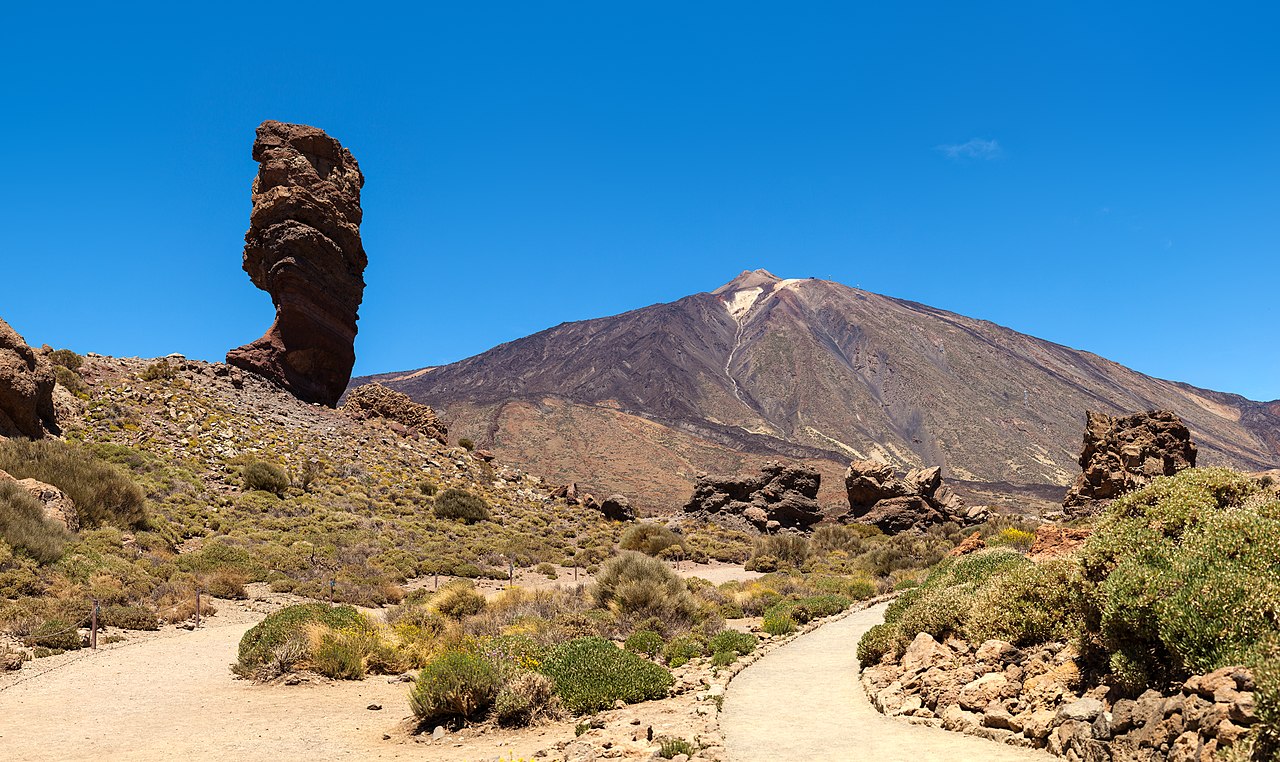
Rising majestically above the Atlantic, Teide is not just Spain's highest peak but also a potent symbol of Tenerife's volcanic origins. In recent weeks, this iconic stratovolcano has been a focal point of intense scientific scrutiny, as a series of unprecedented seismic swarms have registered thousands of micro-earthquakes beneath its slopes. For residents and visitors alike, news of these tremors, often referred to as sismos Teide hoy, might instinctively trigger concern. However, leading experts are consistently urging a message of vigilance and meticulous monitoring, rather than alarm. While the ground beneath Teide is certainly more active, the current scientific consensus unequivocally states there is no increased risk of a short-to-medium term eruption.
The recent surge in activity marks a new phase in Teide's volcanic behavior, prompting a heightened level of observation by institutions like the Instituto Geográfico Nacional (IGN) and INVOLCAN. This article delves into the specifics of these unfelt sismos, demystifying the scientific monitoring efforts, and providing a clear, expert-backed perspective on what this means for Tenerife.
Decoding the Unfelt Tremors: What Are Sismos in Teide?
In the past few weeks, Tenerife has experienced a significant increase in seismic activity, primarily concentrated beneath the Teide-Pico Viejo complex. The numbers are striking: close to 7,000 seismic events recorded over just two weeks, including a recent swarm that accounted for over 2,500 low-intensity tremors. This level of activity has led scientists to describe it as a "jump" or a "new phase" in the volcano's behavior.
It's crucial to understand the nature of these particular "sismos." Unlike the earthquakes that can cause widespread damage or be distinctly felt, these are predominantly "microsismos" – extremely low-magnitude tremors. They are so faint that they remain entirely unfelt by the local population. Their detection is solely attributable to Tenerife's sophisticated and extensive seismic monitoring network, comprising over 100 highly sensitive stations strategically placed across the island.
The geographical localization of these events provides further crucial context. The tremors are primarily situated in the western area of Las Cañadas del Teide, at depths ranging between 7 and 10 kilometers. This depth is significant; deeper seismic activity often indicates geological processes occurring well beneath the surface, such as magma movement or tectonic stress adjustments, rather than an immediate ascent of magma towards the surface that would typically precede an eruption. These deep, unfelt sismos are a common occurrence in active volcanic systems globally and frequently reflect the intricate "breathing" of a volcano.
Expert Perspectives: Vigilance, Not Alarm
The collective voice of the scientific community in the Canary Islands is one of measured caution and unwavering diligence. Following a recent meeting of PEVOLCA (Plan de Especial Protección Civil y Emergencias por Riesgo Volcánico), which convenes experts from eight institutions including the IGN and CSIC, the message was clear: while activity has increased, there is no immediate threat.
Itahiza Domínguez, director of the IGN in the Canary Islands, articulated the situation precisely: "Activity has increased, it has given a jump, as occurred in 2016 with gases and in 2023 with the onset of deformation. We don't know how long it may last, if it will be maintained or if that activity will decrease." This statement underscores the dynamic and often unpredictable nature of volcanic systems. A "jump" in activity signifies a change in the volcano's state, but not necessarily a direct precursor to an eruption. Rather, it prompts an intensified period of observation to understand the underlying causes and potential future evolution.
This period of heightened seismic activity is being rigorously monitored, much like previous shifts in Teide's behavior. In 2016, there was a noticeable increase in gas emissions, and in 2023, initial ground deformation was detected – both of which were closely observed without leading to an eruption. This historical context is vital in understanding the current situation; Teide is an active, living volcano, and fluctuations in its indicators are part of its natural cycle. The continuous, real-time analysis of sismicity, ground deformation, and geochemistry provides a comprehensive picture, allowing experts to differentiate between normal volcanic "breathing" and genuine escalation towards an eruption.
For more detailed insights into the ongoing monitoring efforts, you can refer to Tenerife's Teide: Scientists Monitor Heightened Seismic Activity.
The Science Behind the Monitoring: A Network of Vigilance
The bedrock of this "vigilance, not alarm" approach is the sophisticated monitoring infrastructure deployed across Tenerife. The IGN has established an advanced network of over 100 stations, encompassing seismic sensors, GPS instruments for measuring ground deformation, and geochemical sampling points to analyze gas emissions. This multi-parameter approach allows scientists to track any subtle changes, anomalies, or evolutions in real-time.
- Sismicity: The seismic network precisely records the location, depth, and magnitude of every tremor, however small. This data helps identify patterns, such as the current swarms, and distinguish between different types of seismic events, including those known as "hybrid events," which involve both rock fracturing and fluid movement.
- Ground Deformation: GPS stations constantly measure tiny changes in the ground's elevation and horizontal position. Inflation or deflation of the volcanic edifice can indicate magma movement or pressure changes within the system.
- Geochemistry: Regular sampling of gases from fumaroles and soil allows scientists to detect changes in gas composition and flux, which can be early indicators of magma degasification or changes in the hydrothermal system.
The IGN explicitly states that the current type of hybrid seismic swarms "does not increase the danger of eruption in the short term in Tenerife." This reassurance stems from years of research and understanding of Teide's specific volcanic system, as well as analogous situations observed at other volcanoes worldwide. The collective expertise of organizations like IGN, INVOLCAN, and CSIC ensures that every piece of data is meticulously analyzed, providing the most accurate and up-to-date assessment of the volcano's status.
Understanding Volcanic Cycles: Teide's History of Activity
It is important to remember that the recent seismic activity, while significant in number, is not entirely unprecedented in Teide's modern history. The volcano has experienced similar seismic swarms in the past, serving as reminders of its active nature without leading to an eruption.
Previous notable swarms include events in October 2016, June 2019, and in June and July of 2022. These past episodes, much like the current one, were characterized by numerous low-magnitude tremors at moderate depths, detected only by scientific instruments. Each time, the robust monitoring systems provided critical data, and experts were able to confirm that the activity was within the expected parameters for an active, yet quiescent, volcano. These historical data points are invaluable, helping scientists to establish baselines, identify recurring patterns, and distinguish between normal volcanic processes and genuine signs of increased eruption risk.
Teide is considered a dormant but active volcano, meaning it has the potential to erupt again, but currently shows no signs of imminent activity. Its current state is a testament to the fact that volcanic systems are dynamic geological features that can exhibit various forms of "restless" behavior without necessarily heading towards an eruption. This understanding is key to dispelling alarm and fostering a science-based perspective among the public.
Practical Insights for Residents and Visitors
For those living in or visiting Tenerife, the primary advice from experts remains consistent: stay informed through official channels and trust the scientific institutions tasked with volcanic surveillance. There is no need for any special precautions, and daily life, as well as tourism activities, can continue as normal.
- Rely on Official Sources: Always consult the Instituto Geográfico Nacional (IGN) and official government communications for accurate and up-to-date information regarding Teide's activity. Avoid unverified information circulating on social media.
- No Public Impact: Given that the sismos are unfelt and localized deep underground, there is no direct impact on public safety or infrastructure. The national parks and surrounding areas remain entirely safe and open for visitors.
- Confidence in Monitoring: Tenerife benefits from one of the most comprehensive volcanic monitoring networks in the world. This advanced surveillance system is designed precisely to detect any significant changes well in advance, providing ample time for any necessary public safety measures.
The unparalleled natural beauty of Teide and its surrounding national park remains one of Tenerife's greatest treasures. Visitors can continue to explore its stunning landscapes with the reassurance that the island's scientific community is tirelessly at work, ensuring the safety and well-being of everyone. For more on the lack of immediate eruption risk, see Teide Sismos Hoy: Thousands of Earthquakes, No Eruption Risk.
Conclusion
The recent surge in seismic activity under Teide is a clear demonstration of the dynamic nature of volcanic systems. While thousands of unfelt sismos have registered on scientific instruments, experts from the IGN and other collaborating institutions have consistently reiterated that there is no increased risk of a short-to-medium term eruption. The comprehensive, real-time monitoring of sismicity, ground deformation, and geochemistry provides an unparalleled level of insight into Teide's behavior, allowing for a message of vigilance grounded in scientific data rather than panic. Tenerife's majestic volcano continues to be a subject of intense scientific interest, but for its inhabitants and visitors, it remains a symbol of natural wonder, safely enjoyed thanks to the dedicated watch of its guardians.