Teide's Unfelt Earthquakes: Understanding the Hybrid Seismic Swarm
In recent days, the majestic Mount Teide, a dormant giant and Spain's highest peak, has been the epicenter of a significant seismic event that has largely gone unnoticed by residents and tourists alike. If you've been searching for sismos Teide hoy, you've landed on the right page to understand the latest developments. While the phrase "earthquake swarm" might trigger concerns, experts from the Instituto Geográfico Nacional (IGN) are sending a clear message of tranquility: this activity, though numerically substantial, poses no immediate risk to the island of Tenerife or its visitors.
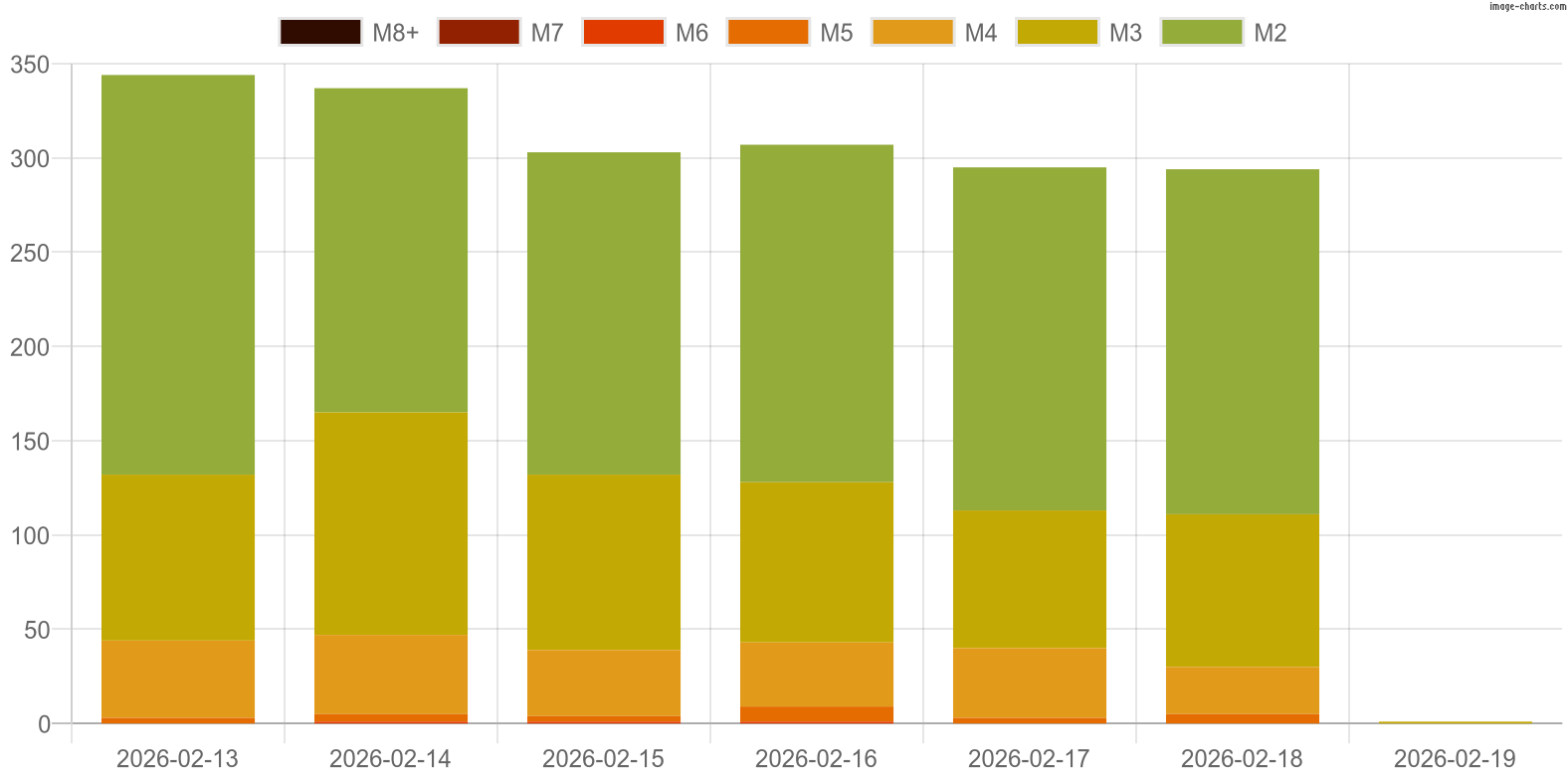
This latest seismic episode, characterized by what scientists call a "hybrid seismic swarm," commenced late on a recent Wednesday night. Since then, the subterranean activity beneath Las Cañadas del Teide has continued unabated, accumulating more than 2,500 low-intensity tremors. What makes these events particularly noteworthy, beyond their sheer volume, is their undetectable nature to human senses. These are the "unfelt earthquakes" – a silent symphony playing deep within the Earth's crust, decipherable only by highly sensitive scientific instruments.
What's Happening Beneath Teide? Decoding the Seismic Swarm
The recent seismic activity beneath Teide is a fascinating insight into the dynamic processes occurring within an active volcanic system. The swarm, numbering well over 2,500 events and still being meticulously analyzed, is centered in the western part of Las Cañadas del Teide, at depths ranging between 7 and 8 kilometers below the surface. This location is familiar to volcanologists, as it has been the site of similar seismic episodes in previous years, providing a valuable historical context for comparison.
The term "hybrid seismic swarm" is key to understanding the nature of these tremors. Unlike purely tectonic earthquakes, which are caused by the friction and movement of crustal plates, hybrid events exhibit characteristics of both tectonic and volcanic earthquakes. This often suggests the involvement of fluid movements—magma, gas, or hydrothermal fluids—within the volcano's plumbing system. These fluids can pressurize existing cracks, creating tiny fractures and movements that register as seismic waves. The IGN anticipates that the final count of these events could be significantly higher than the current 2,500, as the extremely weak signals from many of the micro-earthquakes require detailed, post-event analysis to be fully identified and cataloged.
The Silent Symphony: Why You Didn't Feel a Thing
Despite the impressive number of terremotos Teide that have occurred, it's crucial to reiterate why these events have gone unnoticed by the vast majority of people on Tenerife. The tremors are of exceptionally low magnitude, often referred to as "microsismos." To put this into perspective, most seismic events felt by humans typically register a magnitude of 2.0 or higher on the Richter scale, and even then, they are often subtle. The earthquakes in Teide's recent swarm fall far below this threshold, consistently losing energy and intensity over time.
The only reason we know about this intense period of actividad sísmica Teide is due to the advanced network of seismographs deployed across the island. These high-sensitivity sensors, part of the National Seismic Network operated by the IGN, are capable of detecting ground movements imperceptible to humans. Think of it like hearing a whisper from miles away – you need highly specialized equipment to pick it up. This sophisticated monitoring is a testament to the commitment to safety and scientific understanding in an active volcanic region like the Canary Islands.
Is Teide Waking Up? Understanding the Volcanic Context
Whenever an increase in sismos Teide hoy is reported, a common and natural concern for both residents and tourists is whether it signals an impending volcanic eruption. It is at this point that the IGN's unwavering message of tranquility becomes paramount. Experts are categorical: this specific type of hybrid seismic swarm does not indicate an increased short-term risk of eruption in Tenerife. Instead, these are considered normal internal processes within active volcanic systems, particularly those as dynamic and long-lived as Teide.
Teide is indeed an active volcano, but its activity is meticulously monitored. The Earth beneath Tenerife is constantly adjusting, and these seismic swarms are often manifestations of deep-seated geological processes—such as the movement of magmatic fluids, gas pressure changes, or structural adjustments within the volcanic edifice. The fact that similar events have occurred in this specific area in previous years, without leading to eruptions, further supports the experts' calm assessment. It suggests a recurring pattern within Teide's geological cycle, rather than an anomalous precursor to a major event.
Distinguishing Between Swarms and Precursors
Volcanologists spend years studying the subtle cues that differentiate between routine volcanic activity and true precursors to an eruption. While seismic swarms are common, an impending eruption would typically be heralded by a combination of more concerning signals. These might include a significant increase in the magnitude of earthquakes, a change in their depth (e.g., shallowing as magma moves upwards), pronounced ground deformation (detectable by GPS and inclinometers), and changes in the emission of volcanic gases (like increased CO2 or SO2). None of these more alarming indicators have been observed in conjunction with the current Teide seismic swarm, solidifying the IGN's assessment of low risk. For more detailed information, you can read about Teide's Seismic Swarm: 2,500 Quakes Detected, No Eruption Risk.
Keeping a Finger on the Pulse: Teide's Advanced Monitoring System
The reassurance offered by the IGN is not based on guesswork but on a robust and comprehensive surveillance system. Tenerife is covered by an extensive network of over 100 monitoring stations, strategically placed across the entire island. These stations are dedicated to real-time measurement of critical parameters that serve as the heartbeat of volcanic activity: sismicity (earthquake activity), ground deformation (any swelling or sinking of the land), and geochemistry (changes in gas emissions or water chemistry).
This multi-parametric approach provides scientists with a holistic view of what's happening beneath the surface. Each data point contributes to a complex puzzle, allowing experts to detect even the slightest anomaly that could indicate a shift in the volcanic risk, not just in the short term, but also in the medium and long term. This continuous, exhaustive monitoring is the cornerstone of public safety in the Canary Islands, providing an early warning system that allows authorities to act decisively should the situation ever change.
How Scientists Interpret the Data
Interpreting the vast amount of data collected from Teide's monitoring network is a highly specialized task. Seismographs record the seismic waves, allowing scientists to pinpoint the exact location and depth of each tremor. GPS stations precisely measure minute changes in the ground's elevation and horizontal position, indicating whether the volcano is inflating or deflating. Geochemical sensors analyze gases emitted from fumaroles and soil, looking for changes in composition or flux that could signal new magma at depth. By integrating all these data streams, scientists can build a comprehensive model of Teide's behavior, distinguishing between routine "breathing" and more concerning patterns. The vigilance of institutions like the IGN ensures that Volcano Teide is always under watch; experts continue to monitor the ongoing seismic activity, as detailed in Volcano Teide Under Watch: Experts Monitor Ongoing Seismic Activity.
Practical Insights for Residents and Visitors
- Stay Informed, Not Alarmed: Rely on official sources like the IGN and local government agencies for information. Avoid sensationalized or unverified reports.
- Enjoy Teide's Beauty: The current seismic activity is a natural part of Teide's life cycle and does not pose a threat to those visiting or living on the island. Continue to enjoy the stunning landscapes and unique experiences Teide offers.
- Understanding Volcanoes: Appreciate that active volcanoes are dynamic systems. Their very nature involves internal processes that can generate seismic activity. This understanding can turn potential fear into fascinating scientific appreciation.
- Trust the Experts: The teams monitoring Teide are world-class experts dedicated to public safety. Their calm assessments are based on robust scientific data and years of experience.
Conclusion
The recent hybrid seismic swarm beneath Mount Teide serves as a powerful, albeit unfelt, reminder of the dynamic forces shaping our planet. While thousands of sismos Teide hoy have been detected by advanced instrumentation, their low intensity means they pose no immediate threat and have gone completely unnoticed by the population. Experts from the IGN have unequivocally stated that this activity does not increase the short-term risk of an eruption, confirming these events as common processes within an active volcanic system. Thanks to an extensive and sophisticated monitoring network, every tremor, every ground deformation, and every gas emission is meticulously tracked, ensuring that Teide remains one of the most thoroughly supervised volcanoes in the world. So, whether you're a resident or a visitor, rest assured that Teide's beauty can be enjoyed with peace of mind, knowing its silent symphony is being expertly interpreted for our safety.