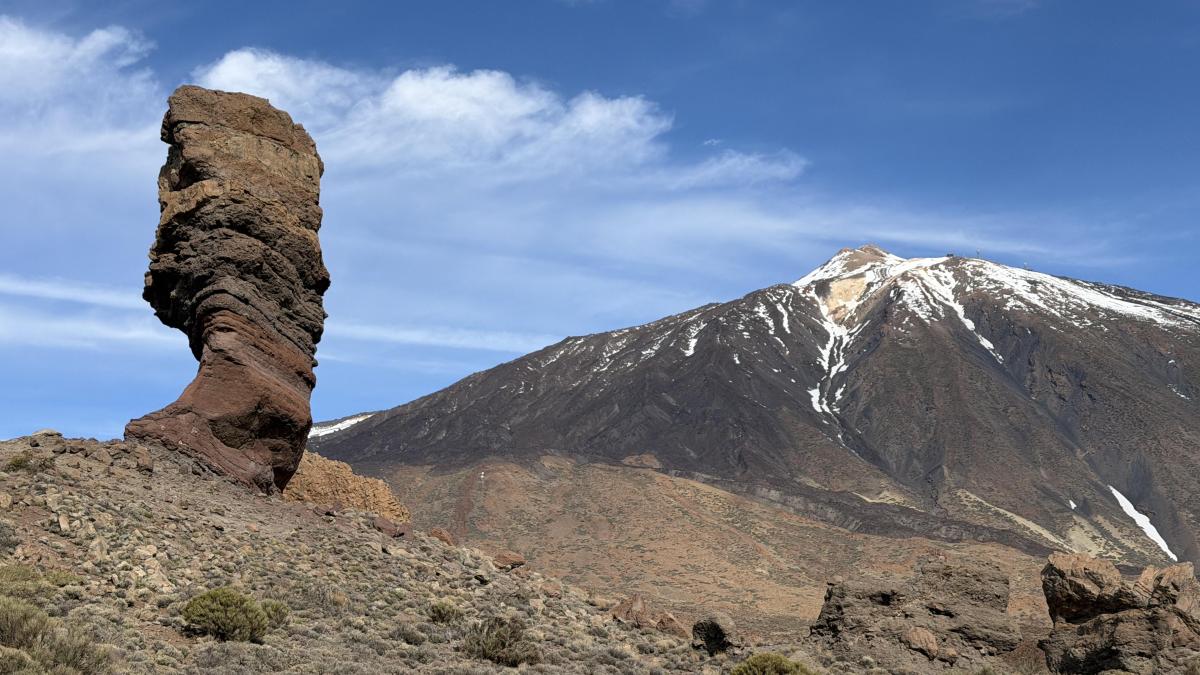
Mount Teide's Latest Seismic Swarm: An In-Depth Look at the Unfelt Quakes
Mount Teide, the majestic stratovolcano that dominates the skyline of Tenerife and indeed the entirety of Spain, has once again captured the attention of geologists and the public alike. In recent days, the National Geographic Institute (IGN) confirmed the detection of a significant seismic swarm beneath Las Cañadas del Teide. This phenomenon, which began late last Wednesday, has now surpassed an astonishing 2,500 recorded events, primarily "hybrid" tremors of extremely low intensity. Despite this high volume of activity, experts are quick to issue a resounding message of tranquility: there is no increased risk of a short-term eruption. For those searching for "sismos Teide hoy" or seeking the latest updates on Tenerife's iconic volcano, this article offers a comprehensive overview of the situation and the science behind it.
The seismic activity commenced around 11:00 PM last Wednesday, manifesting as a continuous series of low-energy micro-earthquakes. These quakes are so subtle that they are imperceptible to human senses, even to residents and visitors on the island. Their detection is solely attributable to the highly sensitive sensors forming part of Spain's National Seismic Network, a testament to the advanced monitoring infrastructure in place. While over 2,500 events have been logged, the IGN anticipates the final count could be considerably higher, as the faintness of many signals requires meticulous, post-event analysis to fully catalog.
Understanding the Hybrid Nature of Teide's Seismicity
The earthquakes comprising this recent swarm are categorized as "hybrid events." In the realm of volcanology, hybrid earthquakes are particularly insightful. Unlike purely tectonic quakes (caused by fault slip) or purely volcano-tectonic quakes (caused by rock fracturing due to magma pressure), hybrid events exhibit characteristics of both. They often result from the interaction of magmatic fluids (magma, gas, and hydrothermal fluids) with surrounding rock, suggesting the movement or circulation of these fluids within the volcano's plumbing system.
The location of this seismic series is concentrated in the western sector of Las Cañadas del Teide, at depths ranging between 7 and 8 kilometers below the surface. This particular area is well-known to scientists, having been the site of similar episodes in previous years. This historical context is invaluable, allowing volcanologists to compare the current behavior with established patterns and precedents, enhancing their ability to interpret the data and forecast potential changes. The depth of these hybrid events is also a crucial factor in assessing risk, as deeper quakes are generally less indicative of imminent surface activity compared to very shallow seismic unrest.
Why No Short-Term Eruption Risk? Expert Reassurance from the IGN
One of the most immediate and understandable concerns whenever a seismic swarm occurs in an active volcanic area is its potential link to a volcanic reactivation. On this matter, the IGN's stance is unequivocal: this type of hybrid seismic swarm does not increase the short-term danger of an eruption in Tenerife. Such processes are considered normal, habitual internal adjustments within active volcanic systems like the Canary Islands.
Active volcanoes are dynamic entities, constantly undergoing internal adjustments related to the movement of magma, gases, and hydrothermal fluids. These adjustments often generate seismic activity. The current swarm, characterized by its low magnitude, deep location, and hybrid nature, aligns with these routine internal "breathing" cycles of the volcano rather than indicating an escalation towards an eruption. Scientists differentiate these events from other types of seismic activity or ground deformation patterns that *would* be considered precursors to an eruption, such as sustained shallow seismicity, significant ground inflation, or pronounced changes in gas emissions. The experts’ message of calm is rooted in a deep understanding of Teide's specific geological characteristics and its historical patterns of activity.
Vigilant Watch: The Advanced Monitoring Network Safeguarding Tenerife
The ability to detect and analyze such subtle seismic events, and consequently to provide accurate risk assessments, hinges on a sophisticated and comprehensive monitoring system. To guarantee the safety of Tenerife's residents and its millions of annual visitors, a robust network of over 100 monitoring stations is strategically deployed across the island. These stations work tirelessly, collecting data in real-time on various critical parameters that act as the volcano's vital signs.
*
Seismicity: At the forefront, sensitive seismometers continuously record every tremor, no matter how small. This allows scientists to precisely locate earthquakes, determine their magnitude, and classify their type (e.g., hybrid, volcano-tectonic). Changes in the frequency, intensity, or depth of these quakes are crucial indicators.
*
Ground Deformation: Precise GPS stations, tiltmeters, and satellite-based interferometry (InSAR) measure minute changes in the volcano's shape. Inflation (swelling) or deflation (subsiding) of the ground can indicate the movement of magma or pressure changes within the system.
*
Geochemistry: Specialized sensors monitor the emission of gases (such as CO2, SO2, and H2S) from fumaroles and diffuse soil degassing. Changes in gas composition, flux, or temperature can signal alterations in the underlying magmatic or hydrothermal system. Furthermore, water samples from springs and wells are analyzed for chemical anomalies.
This exhaustive and integrated monitoring system provides volcanologists with a holistic picture of Teide's subterranean activity. It allows them to detect even the slightest anomaly that might indicate a shift in the volcanic risk, not just in the short term but also over medium to long-term horizons, providing ample time for evaluation and, if necessary, action. This proactive surveillance is key to the safety management strategy for Teide.
Teide: A Dynamic Volcanic System in Constant Motion
Mount Teide, a UNESCO World Heritage site and a breathtaking natural wonder, is not a dormant giant but an active and dynamic volcanic system. Understanding this inherent dynamism is crucial to interpreting events like the recent seismic swarm. These episodes of increased seismic activity are a natural part of an active volcano's life cycle, a subtle reminder that the Earth beneath our feet is ever-changing.
The geological history of the Canary Islands is intrinsically linked to volcanic processes, and Teide stands as a prominent example of this ongoing evolution. While spectacular to observe, its activity is closely studied and understood. The current swarm, mirroring previous events, reinforces this pattern of episodic internal adjustments without external manifestation or increased danger. For visitors planning a trip to Tenerife or residents enjoying daily life on the island, this means continued enjoyment of Teide's magnificent landscapes without added concern. The most important advice remains to rely on official information from reputable scientific bodies like the IGN and local authorities, who are continuously monitoring the situation.
For those interested in the deeper scientific explanations of these phenomena, explore
Teide's Unfelt Earthquakes: Understanding the Hybrid Seismic Swarm. To stay informed on the ongoing surveillance and the meticulous work done by scientists, you might also find our article on
Volcano Teide Under Watch: Experts Monitor Ongoing Seismic Activity insightful. These resources delve further into the intricacies of volcanic monitoring and seismic analysis, providing a broader context for Teide's behavior.
Conclusion
The recent seismic swarm beneath Mount Teide, characterized by over 2,500 low-intensity, unfelt hybrid earthquakes, is a significant scientific event that underscores the dynamic nature of Tenerife's iconic volcano. However, the message from the National Geographic Institute is clear and reassuring: this activity represents typical internal processes within an active volcanic system and does not signal an increased short-term risk of eruption. Thanks to a sophisticated and vigilant monitoring network, every tremor, every subtle change in ground deformation or gas emission, is meticulously analyzed. This continuous oversight ensures that residents and visitors alike can continue to admire Teide's grandeur with confidence, knowing that expert eyes are constantly safeguarding the island. For all "sismos Teide hoy" related inquiries, rest assured that the volcano remains a wonder to behold, under the watchful gaze of science.